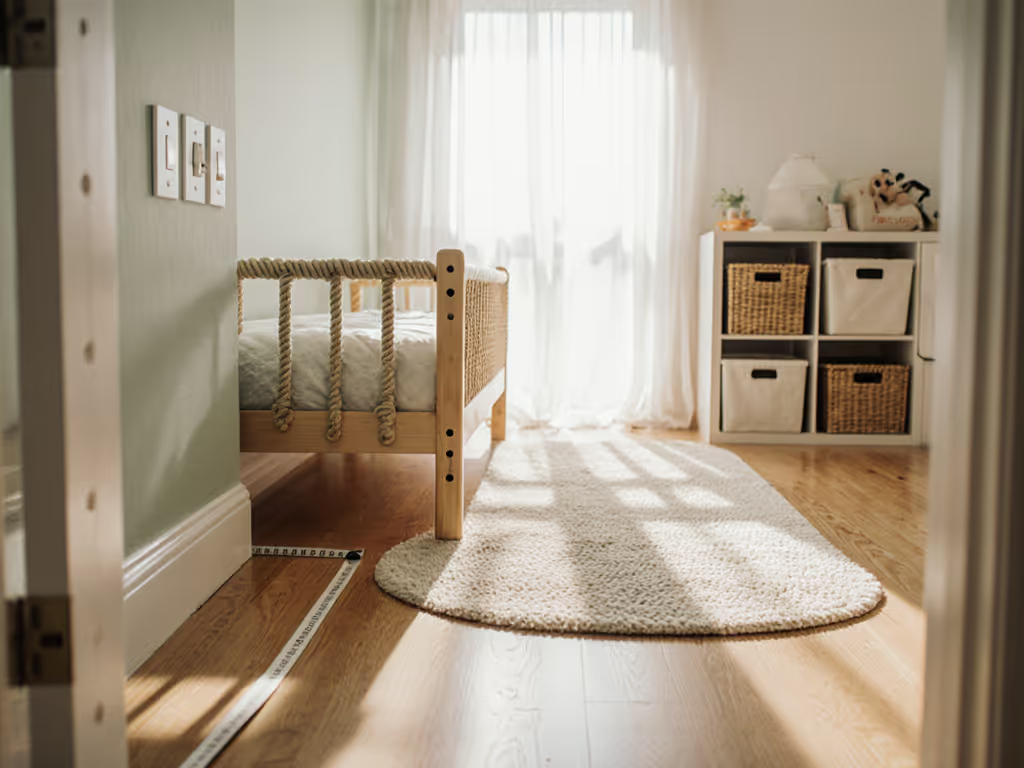
Toddler Bed Emergency Egress: Clear Fire Escape Routes
By Anika Gupta • 3rd Jan

When space is tight and safety matters most, toddler bed emergency egress planning becomes non-negotiable. In compact living spaces (from urban micro-apartments to constrained suburban bedrooms), how you position your child's bed can mean the difference between a clear escape route and a dangerous obstruction during emergencies. Disaster-safe bed placement requires strategic thinking about both the bed's dimensions and its relationship to egress pathways. As someone who once tracked VOC levels with a handheld meter after a smelly toddler bed delivery, I've learned that invisible threats (from toxic off-gassing to blocked escape routes) demand equal attention to visible design elements.
Why emergency egress matters for toddler beds
If your room layout forces a trade-off between optimal sleep space and clear escape routes, always choose safety. No amount of clever storage justifies compromising emergency pathways.
Most parents don't realize that toddler beds themselves must support basic egress functions. According to CPSC guidelines, a certified toddler bed "is intended to provide free access and egress to a child not less than 15 months of age and who weighs no more than 50 lbs." This regulatory language reflects a broader principle: children need unobstructed paths to safety during emergencies, regardless of their age or developmental stage.
In multi-story buildings or compact floor plans, emergency egress becomes exponentially more complex. For staircase navigation and upper-level layouts, see our multi-story toddler bed safety guide. Unlike standard adult beds, toddler beds often occupy spaces where every inch counts, such as under windows, near closet doors, or adjacent to interior walls. When these locations conflict with required escape routes, parents face difficult choices about furniture placement that directly impact safety.
How does building code affect toddler bed placement?
Building codes primarily regulate permanent structures rather than movable furniture. However, understanding egress requirements for rooms themselves provides essential context for responsible bed placement:
- Minimum egress pathways: Rooms must maintain a continuous and unobstructed path of at least 32 inches wide from any bed position to the nearest exit.
- Window access requirements: In bedrooms, windows must serve as secondary egress points with sills no higher than 44 inches above floor level.
- Obstruction limits: No furniture should block access to doors or windows that serve as emergency exits.
These standards don't directly govern toddler bed placement but establish the safety framework within which parents must operate. When your apartment's only viable sleeping area sits between the bedroom door and an egress window, strategic bed positioning becomes critical for maintaining code-compliant emergency access.
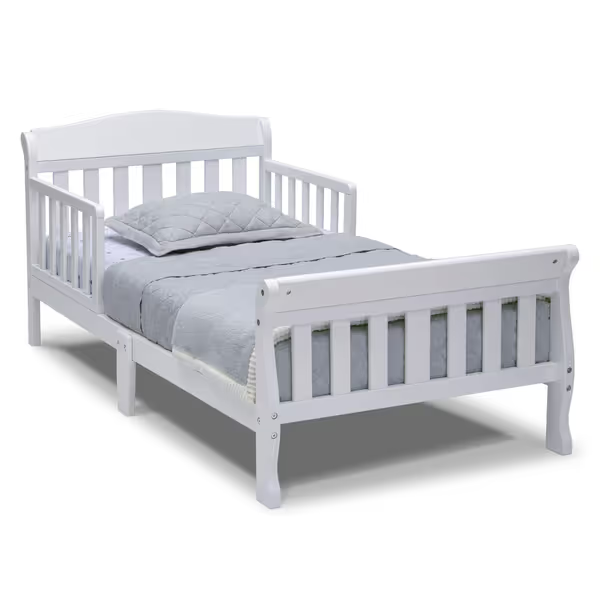
Delta Children Canton Toddler Bed
Compact, sturdy wood bed for safe crib-to-toddler transition.
$69.99
Assembled Dimensions29" W x 56.25" D x 24.5" H
Assembled Dimensions29" W x 56.25" D x 24.5" H
Pros
Low-to-ground for child safety & independence
Sturdy wood construction, JPMA certified
Easy assembly, fits standard crib mattress
Cons
Side rails may not withstand rough play
Mattress not included
Customers find the toddler bed easy to assemble and appreciate its quality as a first bed, noting it's sturdy and perfect for a 3-year-old.
Customers find the toddler bed easy to assemble and appreciate its quality as a first bed, noting it's sturdy and perfect for a 3-year-old.
What specific dimensions should I consider for safe egress?
Understanding precise measurements prevents dangerous placement mistakes. Consider these critical dimensions when planning your toddler's sleeping space:
- Minimum clearance: Maintain at least 24 inches of clear space on all sides of the bed that connect to primary escape routes.
- Door swing clearance: Never position a bed where it interferes with a door's full 90-degree opening arc.
- Window well access: If using a window as secondary egress, ensure 36 inches of clear space in front of it.
- Height considerations: Low-profile beds (under 18 inches high) minimize obstruction while supporting toddler independence.
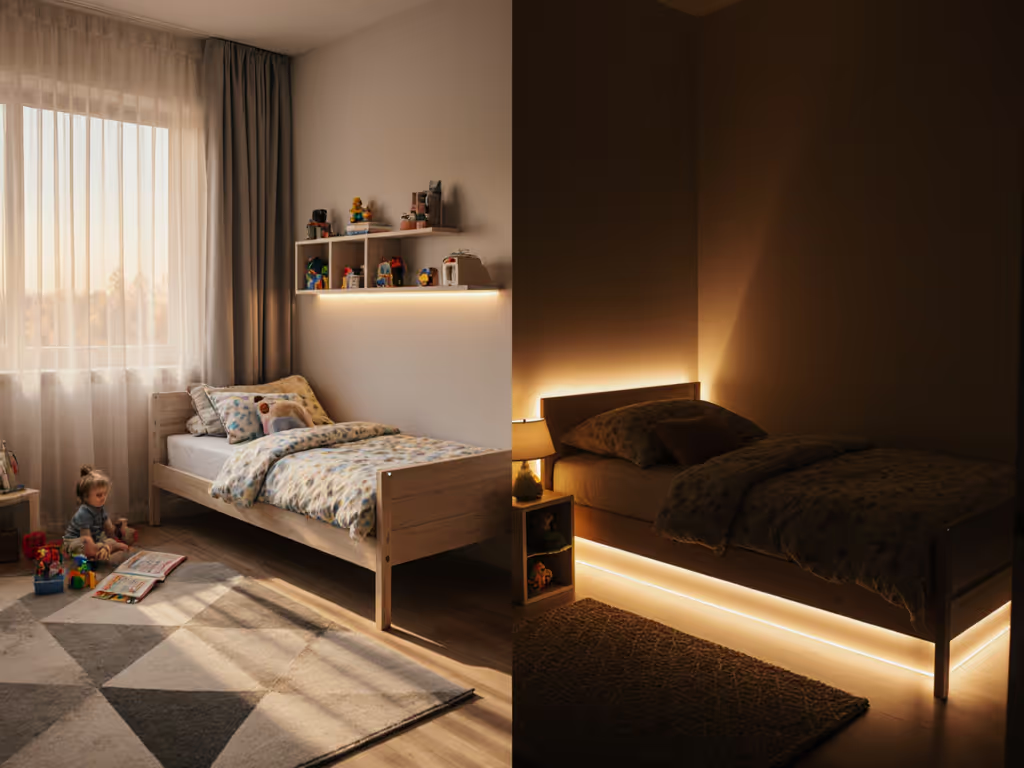
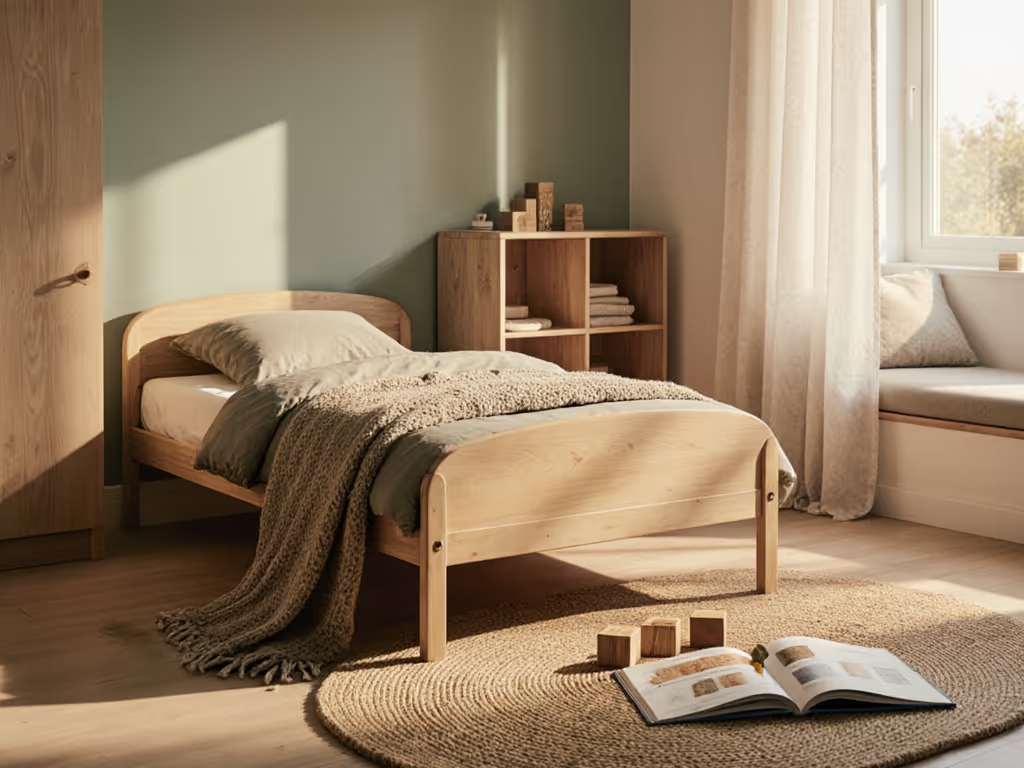
The Delta Children Canton Toddler Bed exemplifies thoughtful design in this space with its 24.5-inch height profile, low enough to maintain sightlines while providing adequate clearance for emergency movement around the bed.
How does bed placement affect fire escape routes in small spaces?
Urban dwellers face unique challenges when balancing limited square footage with emergency preparedness. In compact rooms (<150 sq ft), common placement mistakes include:
- Positioning beds against exit doors, creating dangerous entrapment scenarios.
- Blocking secondary egress windows with furniture or storage solutions.
- Creating narrow pathways that prevent simultaneous adult-child evacuation.
- Using heavy furniture that could become obstacles during emergency exits.
Smart space planning requires viewing your room layout through a safety lens first. For hazard mapping and anchoring tips, see our childproofing the toddler bedroom guide. Map potential escape routes from multiple starting points, then position the bed where it least interferes with these pathways. Consider rotating the bed 90 degrees to maximize clearance along walls, or selecting a low-profile design that minimizes visual and physical obstruction.
What are best practices for positioning toddler beds in emergency scenarios?
Implement these evidence-based strategies to optimize your toddler's sleeping space for emergency readiness:
Prioritize clear pathways
- Establish a minimum 30-inch wide escape corridor that remains completely unobstructed at all times.
- Position beds parallel to walls rather than perpendicular to maximize usable floor space.
- Avoid placing beds directly in front of doors or windows that serve as egress points.
Select appropriate furniture
- Choose low-profile beds (under 18 inches high) that reduce obstruction while maintaining safety.
- Opt for designs with minimal horizontal protrusions that could impede emergency movement.
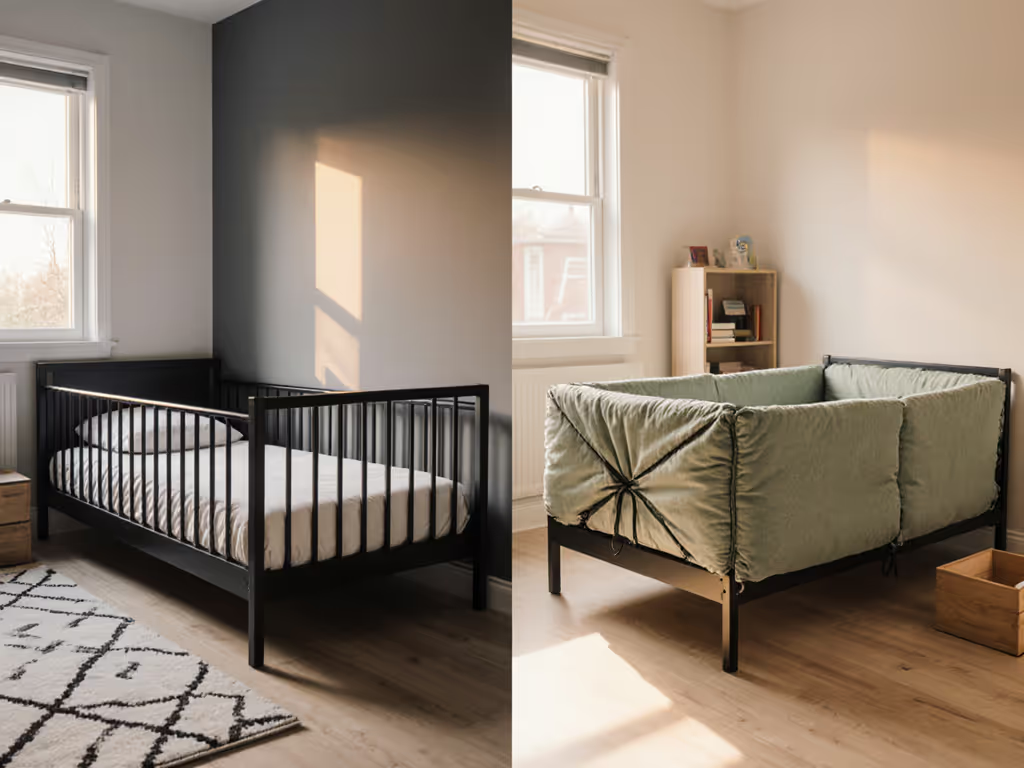
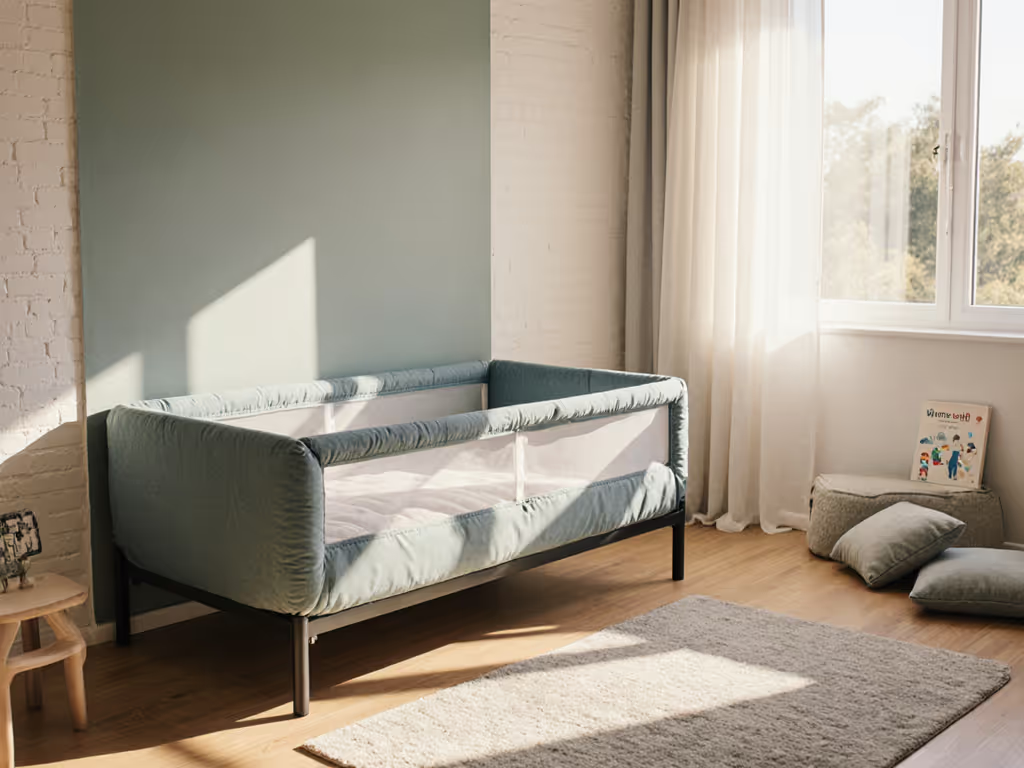
- Verify that guardrails don't extend beyond the mattress perimeter, creating tripping hazards. To ensure safe installation and gap-free fit, follow our toddler bed rail installation guide.
Test your layout
- Perform monthly "escape drills" with your toddler to confirm unobstructed pathways.
- Use painter's tape to outline minimum clearance zones that must remain empty.
- Document multiple escape routes and practice them during fire safety drills.
How do I balance safety with space constraints in small apartments?
The tension between space efficiency and emergency preparedness challenges many urban parents. Consider these tactical approaches:
- Modular positioning: Place the bed perpendicular to the longest wall to maximize floor space while maintaining egress pathways.
- Vertical storage: Utilize wall-mounted shelves above the bed rather than floor units that eat into escape routes.
- Multi-functional furniture: Choose beds with under-bed storage that doesn't compromise clearance heights.
- Corner configurations: Position beds in room corners where two walls provide natural boundaries, freeing up central escape space.
Remember that repair beats replace when it comes to furniture longevity. A well-maintained solid wood bed maintains structural integrity during emergencies better than particleboard alternatives that might fail under stress.
What materials and design features support safer emergency egress?
Your material choices directly impact safety during emergencies. When evaluating toddler beds:
- Prioritize solid wood construction over engineered alternatives for greater structural integrity during evacuations.
- Verify non-toxic finishes with clear off-gassing timelines that won't compromise air quality during shelter-in-place scenarios.
- Avoid bulky footboards that could obstruct emergency movement or create tripping hazards.
- Select minimalist guardrails that provide security without extending beyond the mattress footprint.
If you can smell it, plan to air it. This applies to both off-gassing concerns and emergency preparedness. A bed's finish chemistry should be transparent, with VOC levels documented for parents concerned about air quality during emergencies when ventilation might be limited.
Practical implementation checklist
Before finalizing your toddler bed placement, verify these critical safety elements:
- Minimum 24-inch clearance maintained along primary escape routes
- No obstruction of door swing arcs or window access points
- Bed positioned away from potential falling hazards (bookshelves, heavy art)
- Emergency lighting path established (glow-in-the-dark tape on floor)
- Family emergency plan communicated and practiced with toddler
- Bed constructed of materials with verified safety certifications
Healthier materials make calmer rooms, but clear escape routes create safer homes. By approaching toddler bed emergency egress planning with the same rigor as emergency exit planning for toddlers, you establish foundational safety that supports both daily peace of mind and emergency readiness.
Further Exploration
For deeper insights into creating genuinely safe sleeping environments, consider:
- Local fire department home safety inspections.
- Building code offices for egress window specifications in your municipality.
- Independent testing labs that verify furniture safety claims beyond manufacturer statements.
- Community emergency preparedness workshops focused on family evacuation planning.
Related Articles