Attic Toddler Room: Safe Sloped Ceiling Conversion
By Sofia Novak • 20th Jan

When transforming your attic into an attic toddler bedroom conversion, the sloped ceilings present both magic and challenges. That cozy nook under the rafters feels like a natural fit for a child's sanctuary, but sloped ceiling bedroom safety requires thoughtful planning. As someone who's guided dozens of families through space-conscious transitions, I've seen how the right environmental tweaks can turn bedtime battles into peaceful routines. Small changes in space, big changes in sleep, especially when your little explorer is navigating an elevated playland.
Why Attic Spaces Trigger Parental Anxiety
Most parents we work with feel torn between the appealing extra space and the nagging "what-ifs." Will my toddler climb on the slanting ceiling? Are fire hazards higher up? What if they trip on the way down? These worries are valid. Attics often have tighter clearances, temperature fluctuations, and access challenges that demand special consideration for toddlers who are newly mobile and curious. For a room-wide hazard sweep and anchoring tips, see our childproofing guide for toddler bedrooms.
What many don't realize is that these spaces, when prepared properly, can actually support better sleep habits. The enclosed feeling of a sloped ceiling creates a natural wind-down corner that signals "time to rest," if we set it up right.
Critical Safety Checks Before You Begin
Before choosing furniture or paint colors, verify these non-negotiables:
-
Dormer window egress requirements: Building codes mandate minimum window sizes for emergency escape (typically 5.7 sq ft opening area). For toddlers, ensure windows are high enough to prevent access but can still be opened in an emergency. Bonus: A well-placed window becomes a natural clock (watching daylight fade provides gentle transitions to sleep).
-
Fire safety for attic bedrooms: Install dual-sensor smoke alarms (photoelectric + ionization) on the ceiling and outside sleeping areas. Since heat rises, attic alarms trigger fastest, but also add carbon monoxide detectors near the staircase. Practice evacuation routes with your toddler during daylight hours. For bed placement that keeps escape paths clear, follow our toddler bed emergency egress guide.
-
Stair security: Toddlers need wider treads (minimum 9") with continuous handrails on both sides. Temporary solution: Use a baby gate at the top until walking skills mature. Permanent fix: Consult a contractor about converting pull-down ladders to stable staircases with enclosed sides.
Designing for Independence Under the Rafters
Our daughter's nightly protests stopped when we realized she didn't need more space, just better-aligned space. By lowering her world to match her capabilities, everything softened. This principle guides our approach to attic conversions:
Furniture That Fits the Slope (Without Compromising Safety)
Forget standard toddler beds that block low-clearance zones. Instead:
-
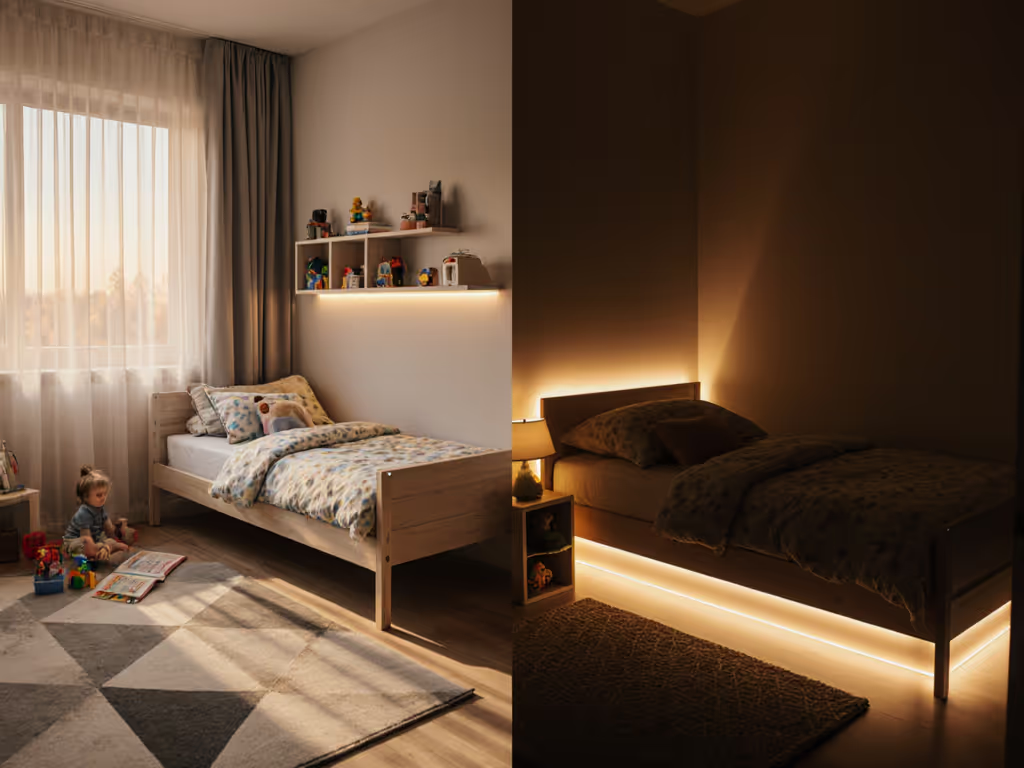
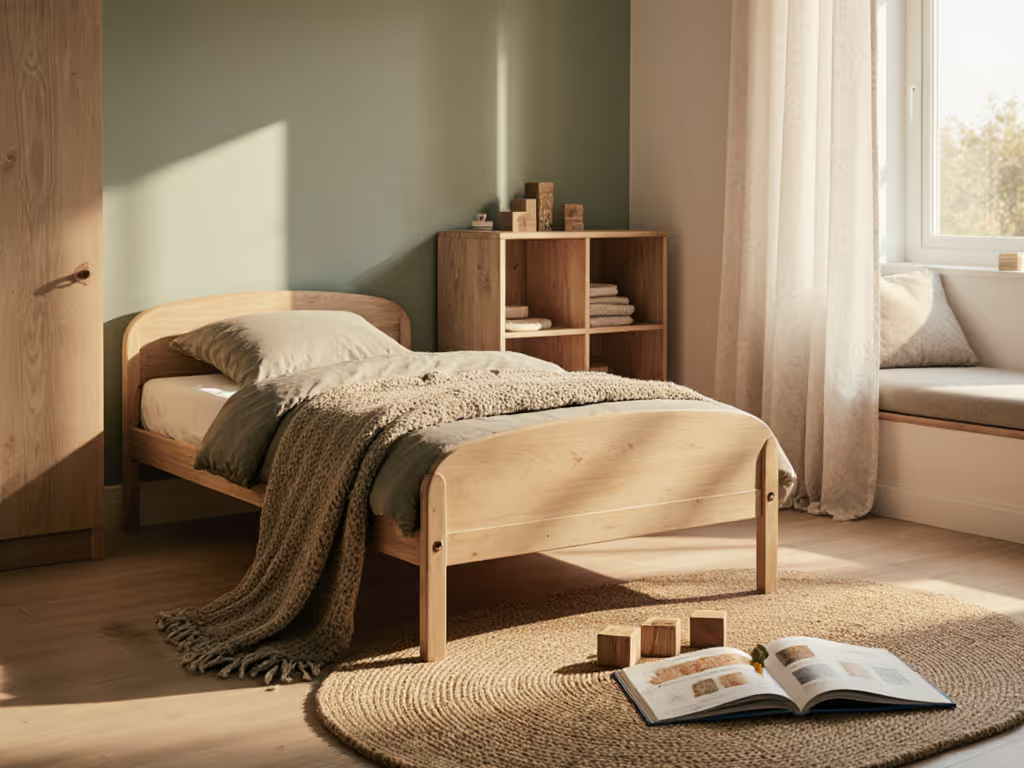
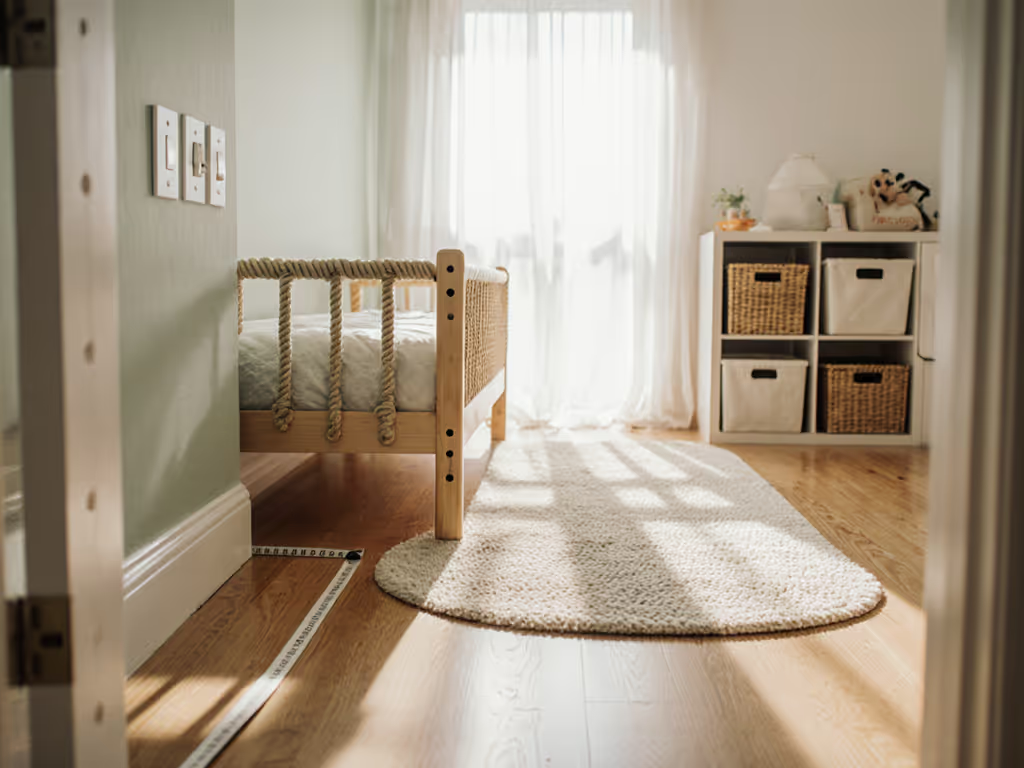
Choose a low profile bed that sits flush to the floor (under 18" height). Montessori floor beds eliminate fall risks while supporting Montessori-aligned independence, and your toddler can climb in and out safely, building nighttime confidence. Position it against the highest wall section where headroom exceeds 3 feet.
-
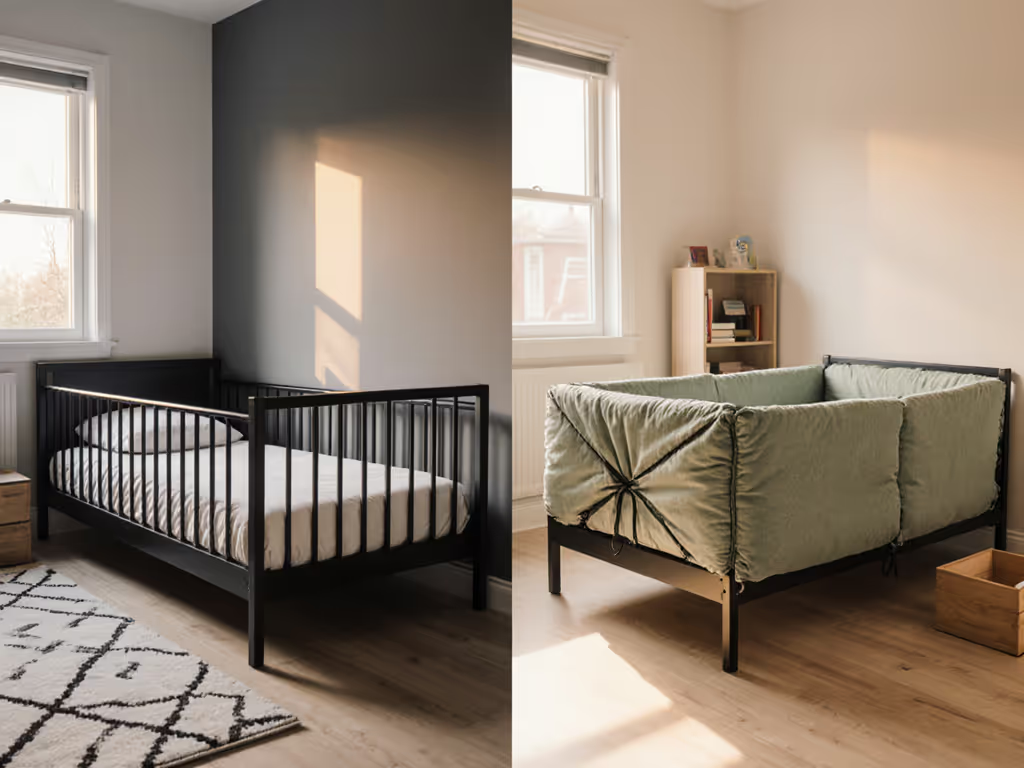
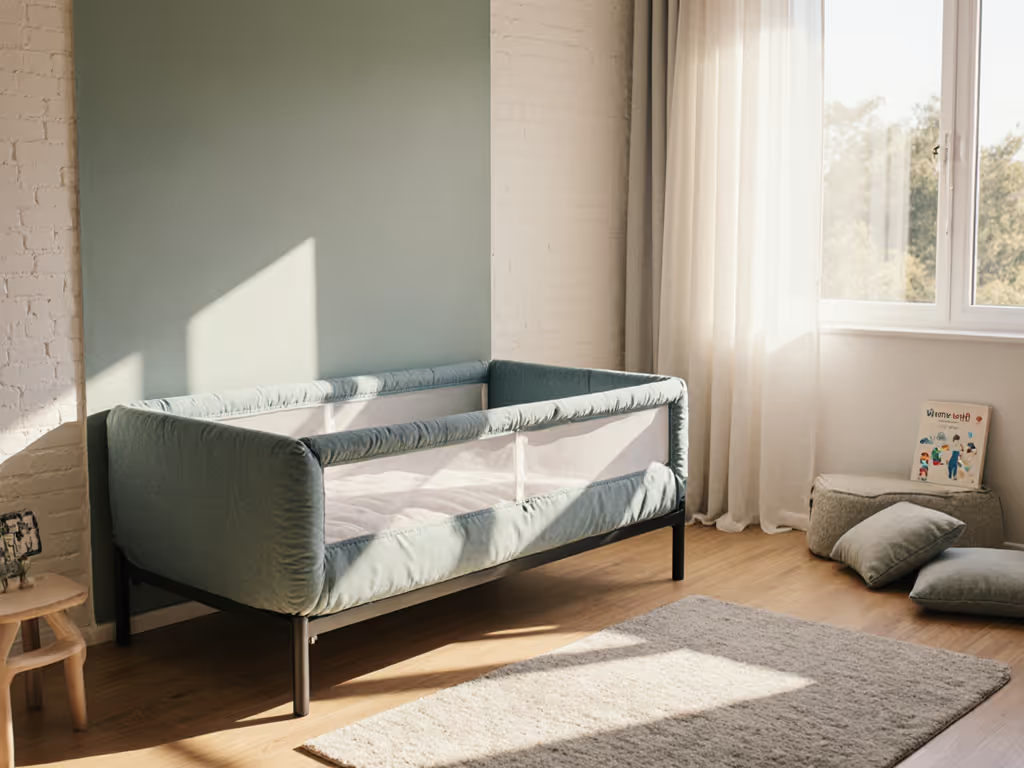
Build your own guardrails using soft, breathable fabrics instead of rigid plastic. Secure them to the bed frame (not walls) so they move with the mattress during transitions. Test by crawling into bed: can you easily roll over?
-
Place storage where tiny hands reach: Store pajamas, loveys, and books in open baskets at floor level. A reachable basket for pajamas creates a self-serve setup that cues "bedtime starts here."
calm is a design choice (especially when your child's room follows the roofline.)
Neutral palettes on sloped walls make the space feel larger while reducing visual stimulation before sleep.
Temperature Control That Supports Rest
Attic insulation for toddler rooms isn't optional (it is sleep hygiene). Uninsulated attics can swing 20°F hotter than downstairs in summer. Prioritize:
- Spray foam or rigid board insulation in roof rafters (R-30+ rating)
- Ceiling fans with reversible motors for year-round airflow
- Smart thermostat sensors placed at toddler-head height (36")
Test your space with a $20 hygrometer for 48 hours before moving furniture in. Ideal toddler sleep conditions: 68-72°F with 40-60% humidity. We tested vents, fans, and bedding—see the best temperature control solutions for toddler beds.
Making the Most of Limited Space
In compact attics (under 150 sq ft), every inch counts. Try these space-smart solutions:
Vertical Storage That Stays Accessible
- Wall-mounted cubbies for toys (not overhead bins that encourage climbing)
- Under-bed storage with low-clearance drawers (max 6" height) for seasonal clothes If you need ideas with safe low heights, explore our toddler storage beds comparison.
- Fold-down desks secured to walls for art during awake hours
Pathways That Prevent Nighttime Mishaps
Map a 3-foot-wide clear path from bed to stairs using painter's tape on the floor. Watch your toddler walk it at different times of day. Does their bedtime drowsiness cause stumbling near low beams? Adjust furniture placement based on real behavior, not just measurements.
Your Actionable First Step
Before buying anything, spend one evening in your attic with your toddler's mattress on the floor. Bring up:
- A small lamp
- Their current pajamas
- A favorite book
Observe where they naturally settle, how they navigate low spots, and what feels calming versus cramped. This 30-minute test reveals more than any floorplan app.
You'll notice zones where your child gravitates toward natural light for play, or corners where the slope creates a womb-like feel perfect for sleep. These observations become your blueprint for a space where predictable cues replace power struggles.
Remember: a successful attic conversion isn't about perfecting the space (it is about aligning it with your child's capabilities). When shelves hang low and beds sit close to the ground, cooperation follows naturally. Your toddler won't climb out looking for connection when everything they need sits within reach. That's when the real magic begins: quiet mornings where they greet you with "I slept in my big room!" instead of "Mama, carry me down."
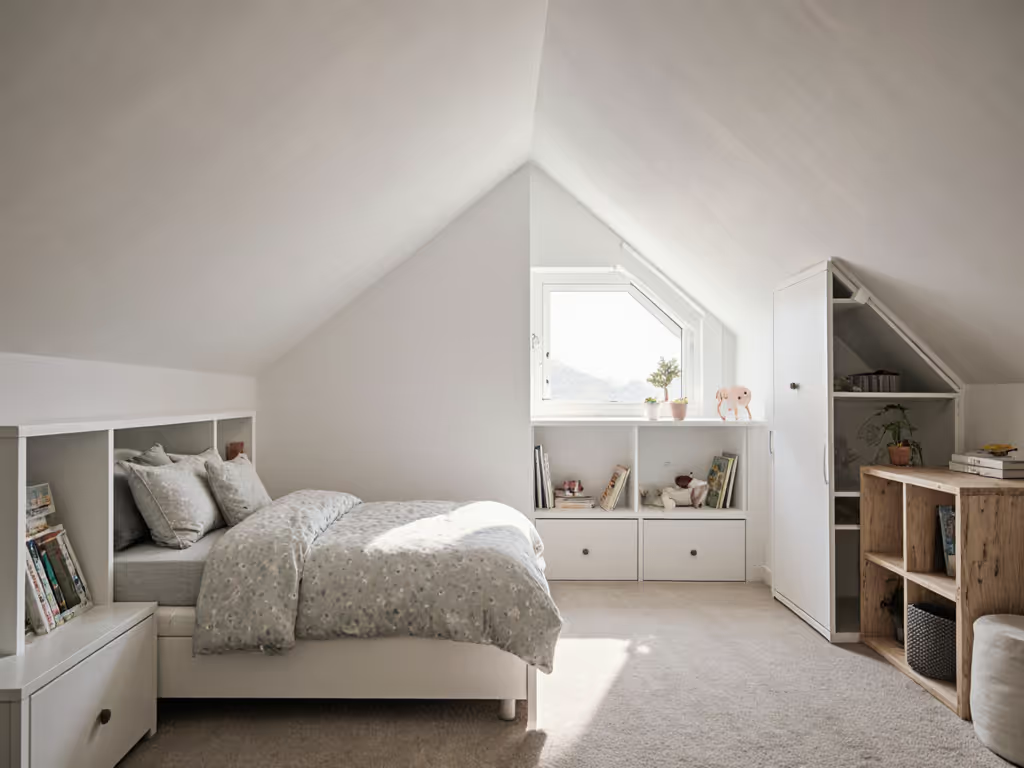
The gentle slope of your attic ceiling holds potential your child will love, from reading nooks under the rafters to star-gazing through dormer windows. By prioritizing safety without sacrificing independence, you're not just converting space. You're creating a haven where rest comes easy, one calm night at a time.
Related Articles