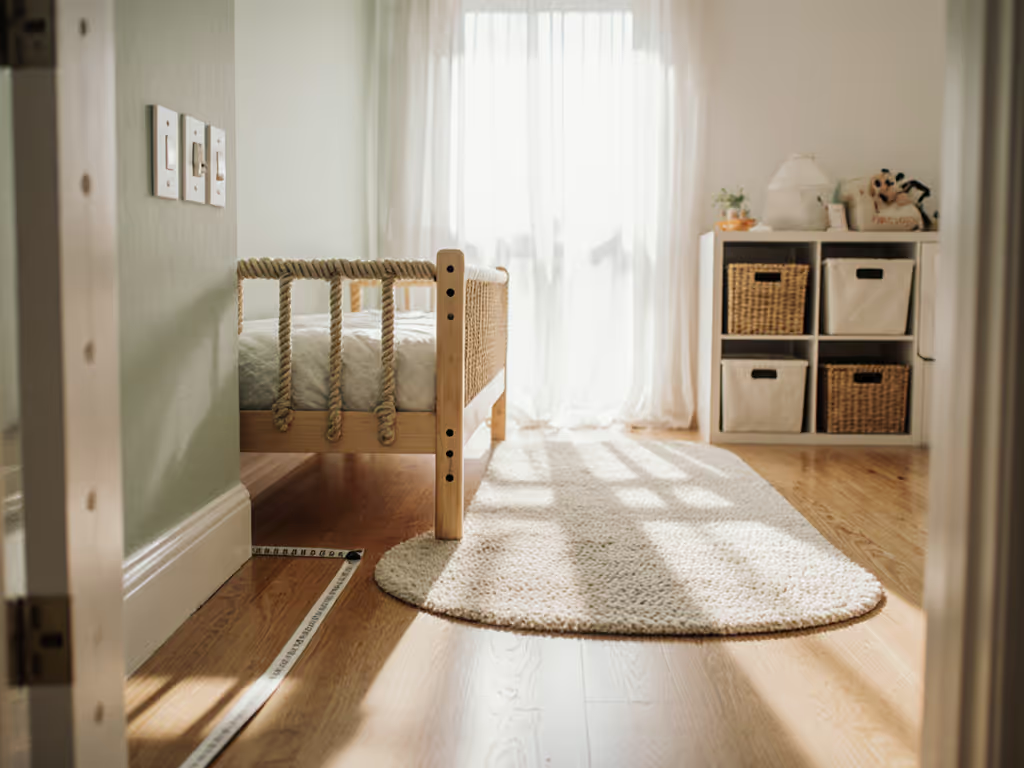
Moisture-Resistant Basement Toddler Beds: Safe & Compliant
By Sofia Novak • 18th Jan
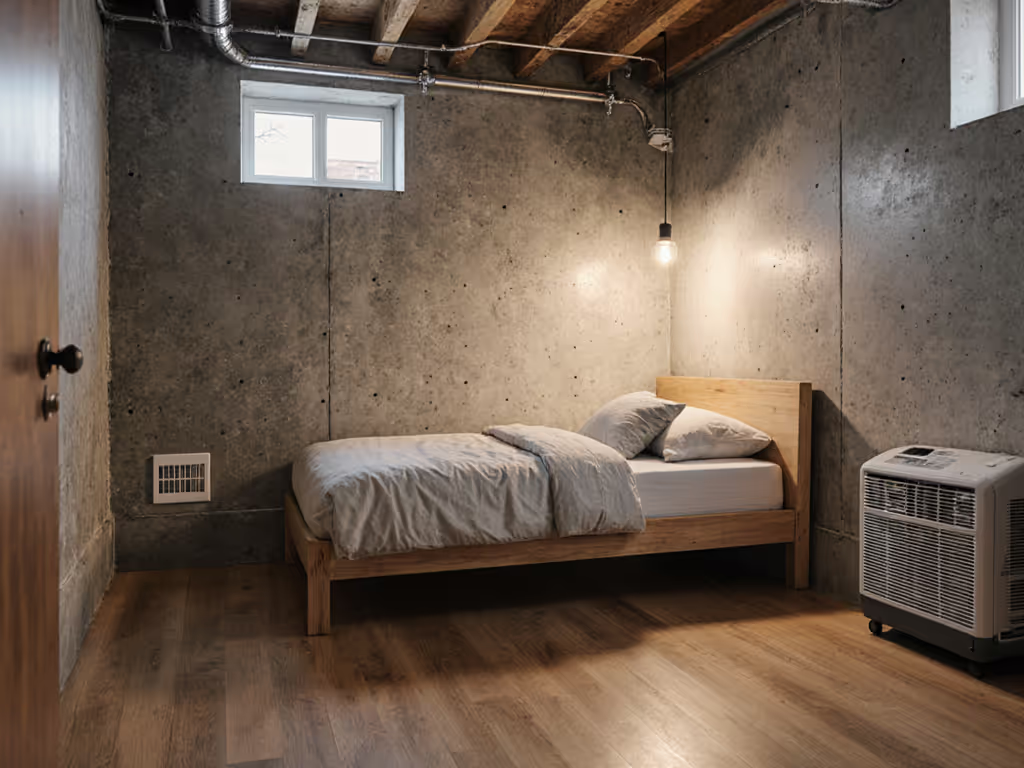
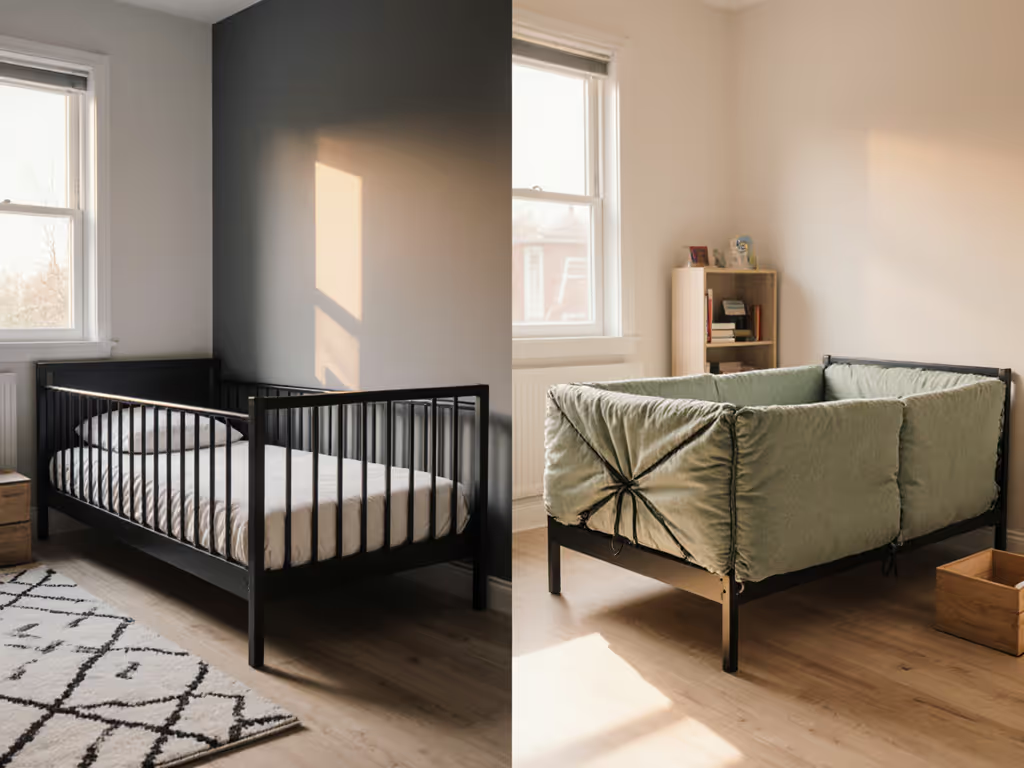
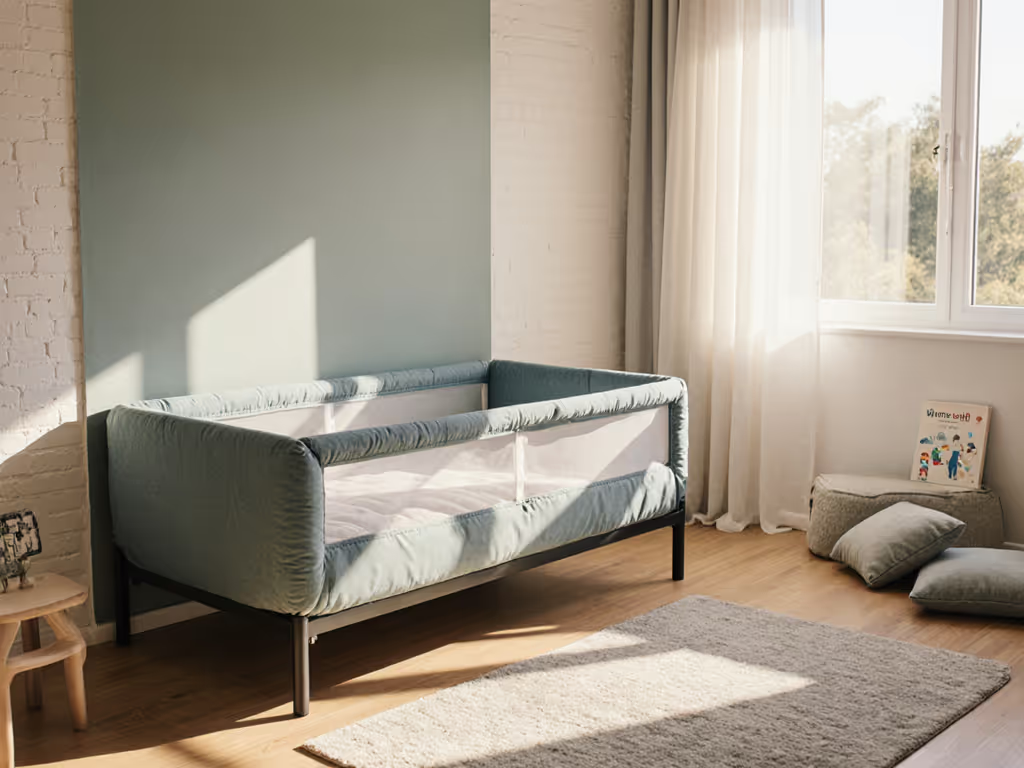
For families navigating tight living quarters, basement toddler beds that resist moisture have become essential for many urban dwellers making the most of below-grade spaces. When your square footage is limited, transforming a basement into a restful sleep zone requires thoughtful planning, especially when you need moisture-resistant toddler beds that can withstand changing humidity levels while keeping safety paramount. Having helped hundreds of families create peaceful sleep environments in unconventional spaces, I've seen how the right foundation (both literally and figuratively) can transform bedtime battles into gentle transitions. Simple access invites cooperation, and when we thoughtfully arrange our daughter's sleep space with her capabilities in mind, something remarkable happened: the nightly protests ceased. Small changes in space, big changes in sleep.
Why Basement Bedroom Safety Requires Special Considerations
Understanding Below-Grade Bedroom Safety Essentials
When converting basement space for toddler use, safety isn't just about guardrails and soft edges, it's about understanding the unique environmental factors that affect below-grade living. Basements naturally contend with higher humidity levels, potential moisture intrusion, and different air quality considerations than above-ground rooms. These factors significantly impact your choice of sleep furniture and setup.
Proper below-grade bedroom safety starts with understanding your local building codes. Many municipalities require specific egress solutions for any habitable basement room, which can dramatically impact furniture placement. Your toddler's bed shouldn't obstruct the only exit point during emergency situations. This means planning your layout before making furniture purchases (measure twice, place once).
Navigating Basement Egress Requirements
Basement egress requirements vary by location but typically involve:
- Minimum window size (usually 24" x 36" or larger)
- Maximum window well depth (usually 44" or less)
- Clear space around the window for emergency exit
- No permanent obstructions in the exit path
When selecting a bed location, ensure at least 36 inches of clear space extends from the egress window to the nearest exit point. This might mean choosing a low-profile bed that sits directly against a wall rather than leaving open space in the center of the room. A bed that's too tall or bulky could create dangerous obstructions during emergencies. For detailed clearance guidelines and escape-path layouts, see our toddler bed emergency egress guide.
Key Features of Moisture-Resistant Toddler Bedding Solutions
What Makes a Bed Truly Moisture-Resistant
Not all "waterproof" claims are created equal when it comes to moisture-resistant toddler beds. True moisture resistance for basement environments requires:
- Fully sealed mattress construction (not just a top panel)
- Waterproof barriers that wrap completely around edges
- Mold and mildew resistant materials
- Breathable covers that don't trap moisture underneath
Look for GREENGUARD Gold certification, which indicates rigorous testing for chemical emissions, especially important in basements where air circulation might be limited. This certification ensures the materials won't contribute to poor indoor air quality, which can be compounded in enclosed basement environments.
Humidity Control Strategies for Basement Sleep Zones
While humidity-controlled toddler beds aren't a standard product category, creating a humidity-controlled environment around your toddler's sleep space is crucial. Consider these approaches:
- Place a small dehumidifier in the basement sleep area (aim for 30-50% humidity)
- Choose furniture with proper airflow underneath
- Avoid carpeting directly under the bed
- Install moisture barriers on basement walls before finishing
A clever spatial hack I recommend is positioning the bed away from exterior walls where moisture tends to accumulate. Instead, place it against an interior wall or in a center location with at least 2 inches of clearance on all sides for air circulation. This small adjustment creates a self-serve setup where the environment itself supports dryness.
Designing for Independence in Basement Sleep Spaces
Creating a Montessori-Aligned Basement Bedroom
The basement's unique environment actually presents wonderful opportunities for creating independence-friendly spaces. When you make the right thing the easy thing, toddlers naturally gravitate toward appropriate behaviors without constant supervision.
Start with these foundational principles: For a deeper dive into low-to-the-ground setups, our Montessori toddler bed guide explains how to balance independence with fall prevention.
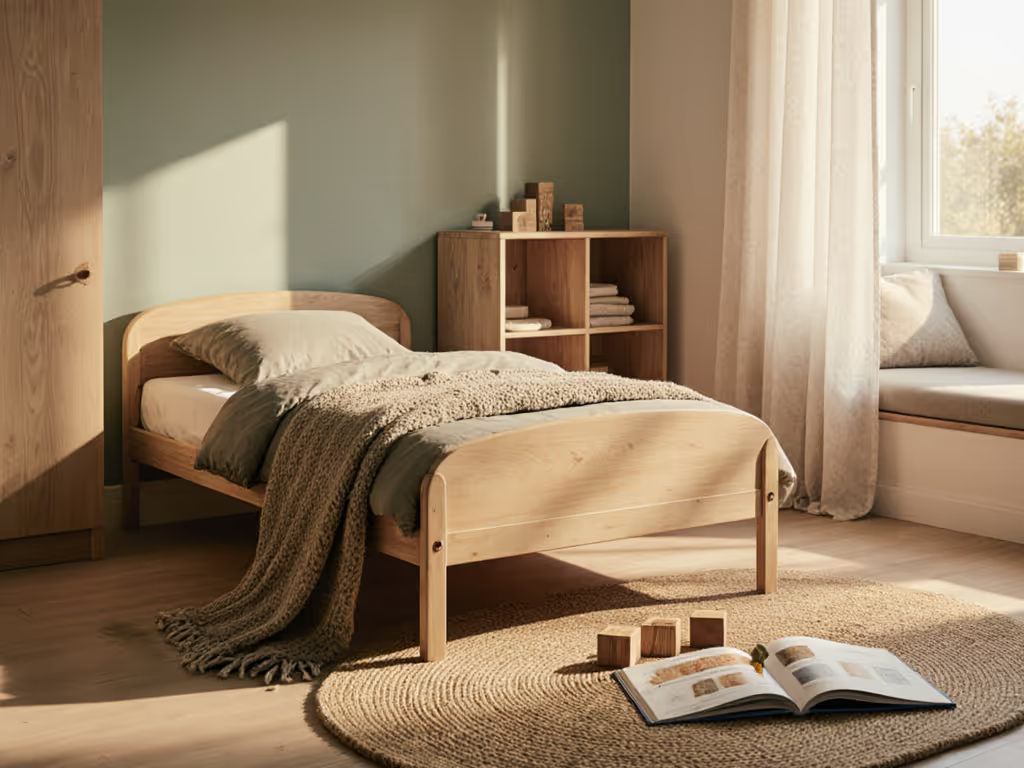
- Floor-level accessibility: Choose beds that sit 6-10 inches off the ground so toddlers can climb in and out independently
- Predictable cues: Establish clear visual boundaries for the sleep zone using area rugs or low bookshelves
- Self-serve setup: Keep pajamas, water bottles, and comfort items within easy reach
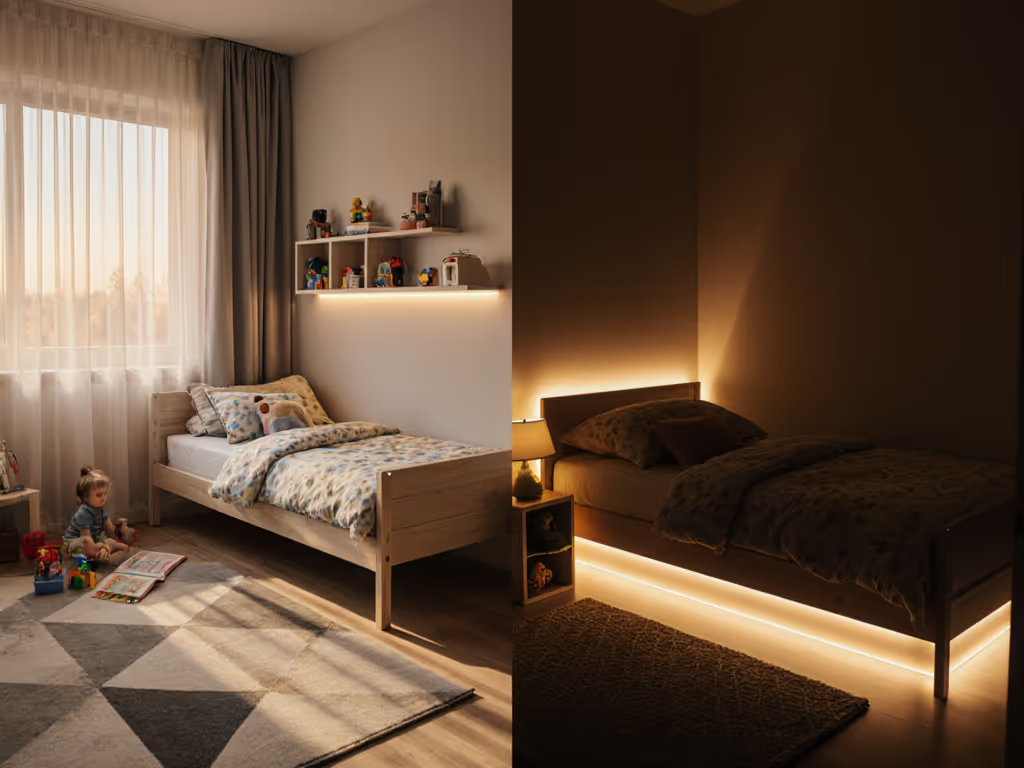
- Gentle transitions: Create a wind-down corner separate from the play area with soft lighting
Practical Lighting Solutions for Safe Nighttime Navigation
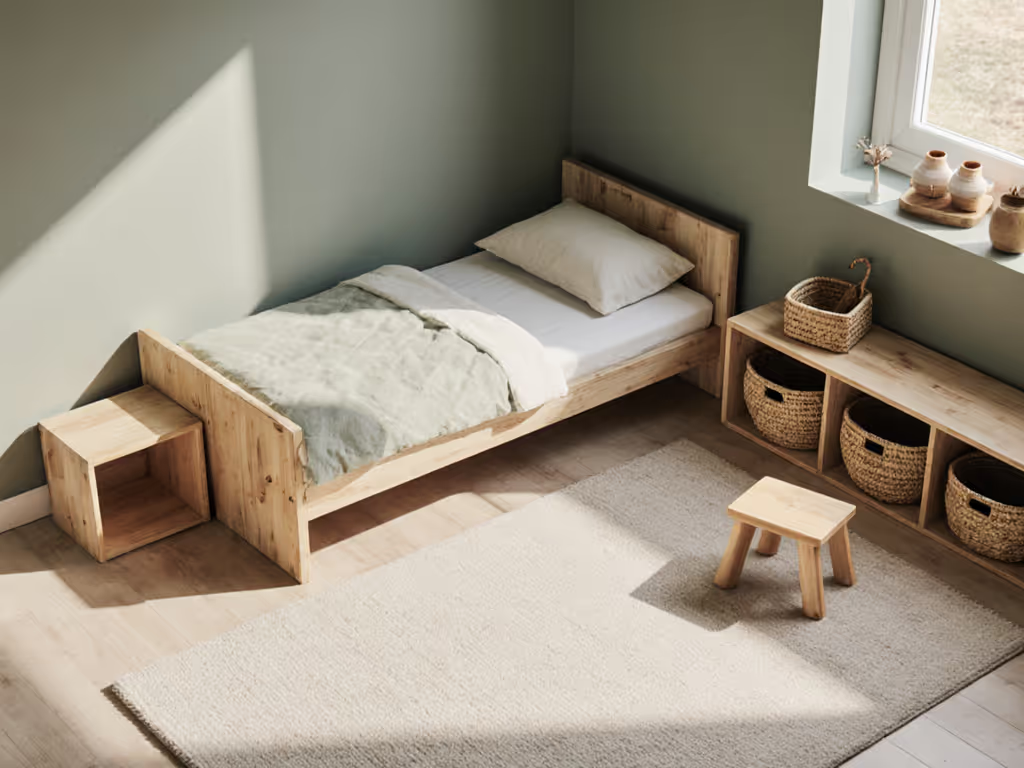
Basement lighting solutions must balance nighttime safety with sleep hygiene. Compare safe, non-distracting options in our toddler bed lighting guide. Harsh overhead lighting disrupts melatonin production, while complete darkness makes navigation dangerous. Instead, implement layered lighting:
- Entryway: Motion-activated path lighting that turns on when movement is detected
- Sleep zone: Dimmable wall sconces or cordless LED puck lights under furniture
- Bathroom access: Low-level nightlights in the path between bed and bathroom
Place these lights strategically along the path your toddler would take during nighttime awakenings. This creates visual cues that guide them safely without requiring adult intervention (making the right thing staying safe during nighttime bathroom trips the easy thing).
Practical Layout Solutions for Small Basement Bedrooms
Space-Smart Arrangement Principles
When square footage is limited, every inch counts in your basement toddler bedroom. Follow these spatial principles:
- Wall-hugging placement: Position the bed against walls to maximize open floor space
- Corner utilization: Fit low-profile beds into corners where they won't block pathways
- Vertical storage: Use wall-mounted shelves above the bed for books and comfort items
- Clear pathways: Maintain at least 24 inches of clear walking space around the bed
Many families I work with mistakenly place the bed in the center of the room "for safety," only to find it obstructs crucial movement paths. Instead, tuck the bed thoughtfully against a wall while maintaining proper clearance for emergency egress. This approach creates a defined sleep space that feels secure without sacrificing functionality.
Storage Solutions That Support Independent Routines
In tight basement bedrooms, storage isn't just practical, it's essential for maintaining calm bedtime routines. Implement these solutions:
- Under-bed storage: Use shallow bins that slide easily for pajamas and bedtime books
- Reachable cubbies: Install low shelves at toddler height for self-selected bedtime items
- Wall hooks: Place at child height for robes or special blankets
- Modular furniture: Choose pieces that can transform as your child grows
When your child can independently access their bedtime items, they take ownership of their routine. This reduces protests and creates predictable cues that signal it's time to wind down. Remember, independence isn't just about freedom, it's about having the right tools within reach.
Maintaining a Healthy Basement Sleep Environment
Ongoing Moisture Management Practices
Even the best moisture-resistant toddler beds require environmental support to remain effective. Implement these simple maintenance routines:
- Weekly ventilation: Open basement windows or run the HVAC system to circulate air
- Monthly inspections: Check for musty smells or visible moisture around the bed perimeter
- Seasonal adjustments: Increase dehumidifier use during humid months
- Accident protocol: Clean spills immediately with appropriate cleaners to prevent moisture buildup
A simple habit I suggest is establishing a "bed check" as part of your weekend routine: lifting the mattress to ensure no moisture has collected underneath. This small preventative step can extend the life of your moisture-resistant mattress significantly.
Choosing the Right Bedding for Basement Conditions
Your mattress cover is the first line of defense against basement moisture. Opt for:
- Breathable, waterproof mattress protectors (not vinyl sheets)
- Washable, cotton-rich bedding that wicks moisture
- Layered bedding systems you can adjust based on humidity levels
- Bed skirts that allow airflow rather than sealing the space underneath
Avoid thick comforters that trap moisture, and opt for lighter, breathable alternatives that can be layered as needed. Your goal is creating a sleep environment that breathes along with changing basement conditions. If temperature swings contribute to humidity issues, compare tested temperature-control solutions for mattresses, bedding, and room setup.
Making Your Decision: A Practical Action Plan
Your Step-by-Step Implementation Guide
Now that you understand the unique requirements of basement toddler sleeping spaces, here's how to proceed with confidence:
- Measure your space: Note egress window locations, ceiling height, and permanent fixtures
- Check local codes: Verify specific basement egress requirements for your municipality
- Assess moisture levels: Use a hygrometer to measure current humidity in the space
- Select appropriate furniture: Choose low-profile, moisture-resistant options that fit your dimensions
- Create your layout: Position the bed with both safety and independence in mind
- Implement environmental controls: Install dehumidifier and proper lighting before moving in furniture
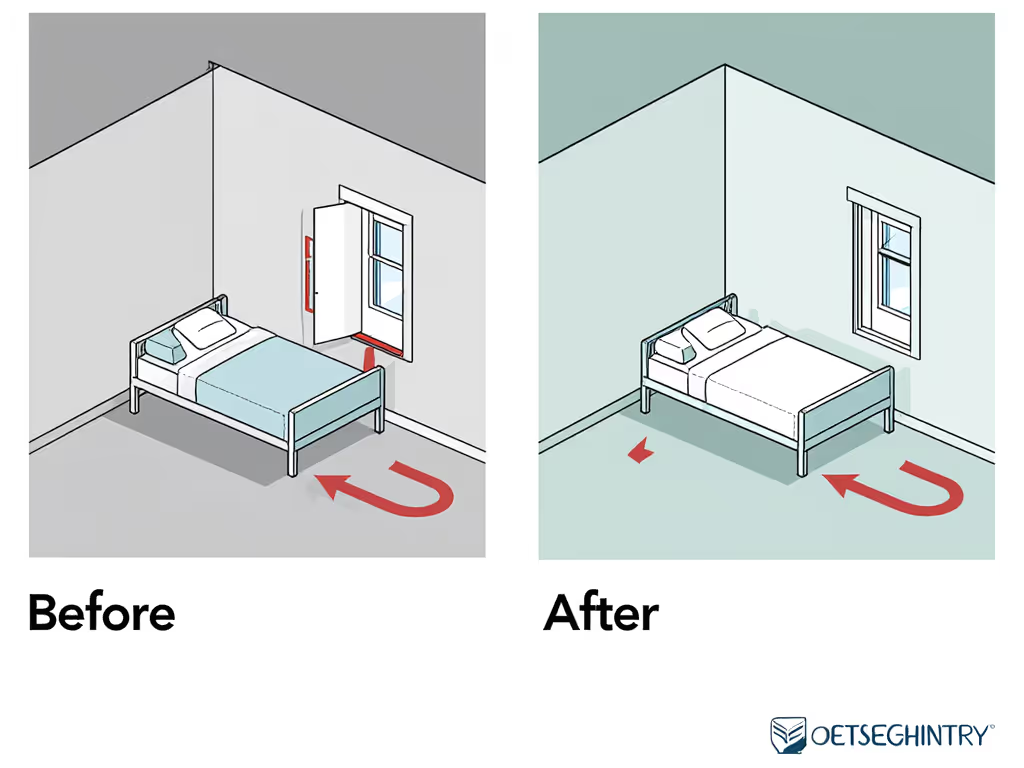
Remember that your toddler's bedroom shouldn't be a compromise between safety and independence, it can successfully incorporate both when designed thoughtfully. The right moisture-resistant toddler bed in a properly configured basement space creates conditions where your child can thrive, both in terms of safety and growing autonomy.
Your Actionable Next Step
This week, take just 15 minutes to measure your basement space and note the location of your egress window. Sketch a simple floor plan showing the window, door, and any permanent fixtures. Then, measure the distance from the window to the door, this critical measurement will determine what bed styles and placements will work in your space while meeting basement egress requirements.
When you've completed this simple assessment, you'll be positioned to make an informed decision about the right moisture-resistant solution for your family, rather than gambling on a bed that might not fit your space or safety needs. Making this small investment of time now prevents costly returns and sleepless nights later.
Simple access invites cooperation (both in your toddler's behavior and in your own peace of mind). By thoughtfully addressing the unique challenges of basement sleeping environments, you're not just creating a place for rest, you're building the foundation for calmer routines and greater independence. Small changes in space, big changes in sleep.
Related Articles